
Restaurant Insurance Online :: News
SHARE

Share this news item!

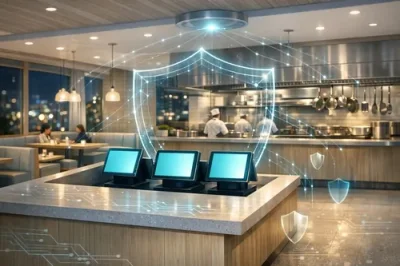
Why Cyber Risk Belongs in Every Restaurant Insurance Review

Digital ordering, payments and loyalty data can turn a technology failure into a trading and liability problem

Why Cyber Risk Belongs in Every Restaurant Insurance Review?w=400

The information on this website is general in nature and does not take into account your objectives, financial situation, or needs. Consider seeking personal advice from a licensed adviser before acting on any information.

Fresh attention on cyber incidents across Australian businesses is a timely warning for restaurants, cafés and takeaway operators.
Hospitality venues may not always see themselves as data-heavy businesses, but modern food service increasingly depends on connected systems: point-of-sale terminals, booking platforms, delivery apps, QR ordering, loyalty databases, rostering tools and cloud accounting.

That digital convenience creates a practical insurance question. If a cyber event locks staff out of the POS, exposes customer details, disrupts online ordering or causes fraudulent payments, the loss may not look like a traditional fire, theft or storm claim. It can involve forensic IT costs, customer notification, legal advice, lost revenue, reputational damage and disputes with third-party technology providers.

For restaurant owners, the key lesson is that cyber risk should not sit outside the broader insurance review. A standard business package may include property, liability, stock, equipment and interruption sections, but cyber incidents are often handled separately, with their own triggers, exclusions, excesses and limits. Owners should check whether their restaurant insurance coverage responds to digital interruption, privacy breaches, social engineering fraud or only to physical loss at the premises.

The exposure is broader than customer data. A compromised email account could redirect supplier payments. A ransomware attack could delay payroll or prevent staff from processing orders during peak service. A delivery platform outage could remove a key revenue stream for the night. Even a short disruption can be costly when margins are tight and perishable stock has already been purchased.

Practical risk controls matter because insurers increasingly look for evidence that businesses are managing the basics. Restaurants should consider:

  • using multi-factor authentication for email, banking, POS and booking systems;
  • keeping separate administrator access for managers rather than sharing passwords;
  • training staff to question payment change requests and suspicious links;
  • backing up key business data and testing that it can be restored;
  • checking contracts with POS, delivery and booking providers to understand responsibilities during an outage.

Cyber insurance can be valuable, but it should be matched to the way the venue actually trades. A dine-in restaurant with a loyalty program, a multi-site group using centralised ordering and a takeaway business dependent on delivery platforms may all need different limits and conditions. Owners may also need to estimate suitable sums insured for equipment, stock and interruption exposures so the wider program remains balanced.

The latest cyber warnings are not a reason to panic. They are a reason to treat technology as part of the restaurant’s risk profile, not just an operational convenience. For many venues, the best next step is a structured review of systems, contracts, staff procedures and policy wording before a digital disruption turns into a financial one.

Published:Wednesday, 26th Aug 2026
Author: Paige Estritori

Please Note: We do not endorse any specific products or companies. Some content is sourced from third parties, including press releases, and may not be independently verified for accuracy or completeness.

Share this news item:

Rate this article

0 Comments

No comments yet. Be the first to share your thoughts.

Insurance News

What the Right to Disconnect Means for Restaurant Risk
16 Sep 2026: Paige Estritori
Australia's right-to-disconnect rules are now part of the employment landscape for small businesses, adding a fresh compliance issue for restaurants, cafes and takeaway operators. The change gives eligible employees a workplace right to refuse unreasonable work-related contact outside their ordinary hours, depending on the circumstances. For hospitality venues, where rosters shift quickly and managers often rely on texts, calls and group chats, the practical impact can be significant. - read more
Why Underinsurance Is Becoming a Bigger Risk for Restaurants
09 Sep 2026: Paige Estritori
Fresh insurance industry attention on small business underinsurance is a timely reminder for Australian restaurants, cafés and takeaway operators to check whether their policy limits still reflect the real cost of getting back to trade. Premium pressure often receives the most attention at renewal time, but the larger risk can be a quiet gap between what a venue is insured for and what it would actually cost to replace, repair or reopen after a major loss. - read more
Why Cyber Risk Belongs in Every Restaurant Insurance Review
26 Aug 2026: Paige Estritori
Fresh attention on cyber incidents across Australian businesses is a timely warning for restaurants, cafés and takeaway operators. Hospitality venues may not always see themselves as data-heavy businesses, but modern food service increasingly depends on connected systems: point-of-sale terminals, booking platforms, delivery apps, QR ordering, loyalty databases, rostering tools and cloud accounting. - read more
Why Allergen Management Is an Insurance Issue for Restaurants
19 Aug 2026: Paige Estritori
A renewed focus on allergen management across Australian hospitality is a practical reminder that food safety is not only a compliance issue. For restaurants, cafés and takeaway venues, it can also become a serious insurance issue if a customer suffers an allergic reaction after relying on menu information, staff advice or preparation practices. - read more
Why Battery Fire Risk Is Now on the Menu for Restaurants
12 Aug 2026: Paige Estritori
Renewed insurance industry attention on lithium-ion battery fires is a practical warning for Australian restaurants, cafes and takeaway venues. The risk is no longer limited to consumer gadgets at home. Many hospitality businesses now rely on battery-powered delivery equipment, cordless tools, portable payment devices, tablets, power banks and rechargeable cleaning equipment, often used across long trading hours and charged on site after closing. - read more


Restaurant Insurance Articles

Finding the Right Insurance Partner: A Guide for Australian Restaurants
Running a restaurant in Australia comes with its own set of unique challenges and risks. From busy kitchens to bustling dining areas, every corner of your establishment holds potential liability issues. Understanding these risks and how they can affect your business is crucial for safeguarding your investment. - read more
What Affects Restaurant Insurance Costs in Australia
Restaurant insurance costs in Australia can vary widely because insurers assess each venue's risks, selected covers and operating details differently. This guide explains the main factors that may influence premiums, including business size, location, cooking methods, alcohol service, sums insured, excesses, claims history and risk controls. - read more
Navigating the Insurance Landscape: Financial Strategies for Restaurant Owners
In the bustling world of hospitality, restaurant owners face a unique set of challenges that can impact their financial stability. From unexpected kitchen mishaps to customer accidents, understanding the unique risks in the hospitality industry is crucial. These risks can lead to significant financial burdens if not properly managed. - read more
The Legal Risks of Running a Restaurant: How Insurance Can Safeguard Your Business
Running a restaurant in Australia is exciting and full of potential, but it's not without its legal challenges. From compliance with food safety standards to managing employee relations, restaurant owners must navigate a complex web of regulations and potential legal issues. Issues such as slip and fall accidents, supplier disputes, and licensing can all pose significant risks. - read more
Restaurant Stock, Contents and Equipment Insurance Explained
Restaurant owners rely on stock, kitchen equipment, furniture, fit-out and refrigeration to trade each day. This guide explains how these assets may be insured, what risks to consider, and how to think about sums insured, spoilage and equipment breakdown. - read more

Knowledgebase
Coinsurance:
A percentage of the cost of a covered healthcare service that you pay after you have paid your deductible.